The red volcanic soils of the Cradle Coast are among the most fertile in Tasmania, supporting dairy, vegetables, berries and more.
What to try
- Cheese and dairy — the region has a strong dairy industry and cheesemakers.
- Berries — pick-your-own farms and berry cafes in summer.
- Seafood — crayfish (rock lobster) in season, oysters, scallops and fish and chips, especially at Stanley.
- Whisky and wine — distilleries and cellar doors dot the region.
- Honey — including leatherwood honey from west coast forests.
Farmers’ markets
Local markets run regularly in towns across the region. Check local listings for days and times.
Tips
- Carry a cool bag for cheese and seafood.
- Many farm gates are seasonal.
Where to eat
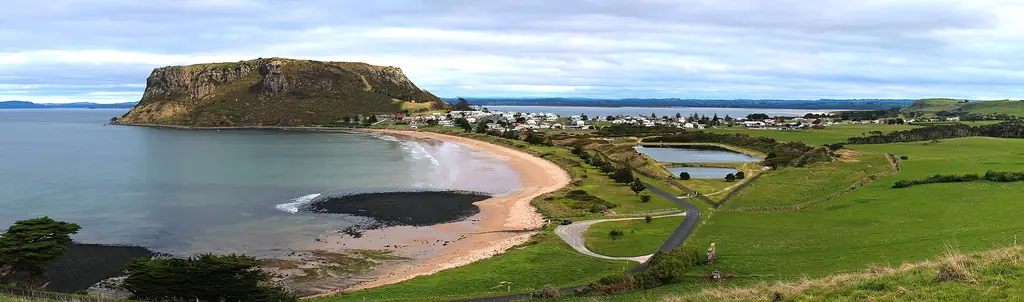
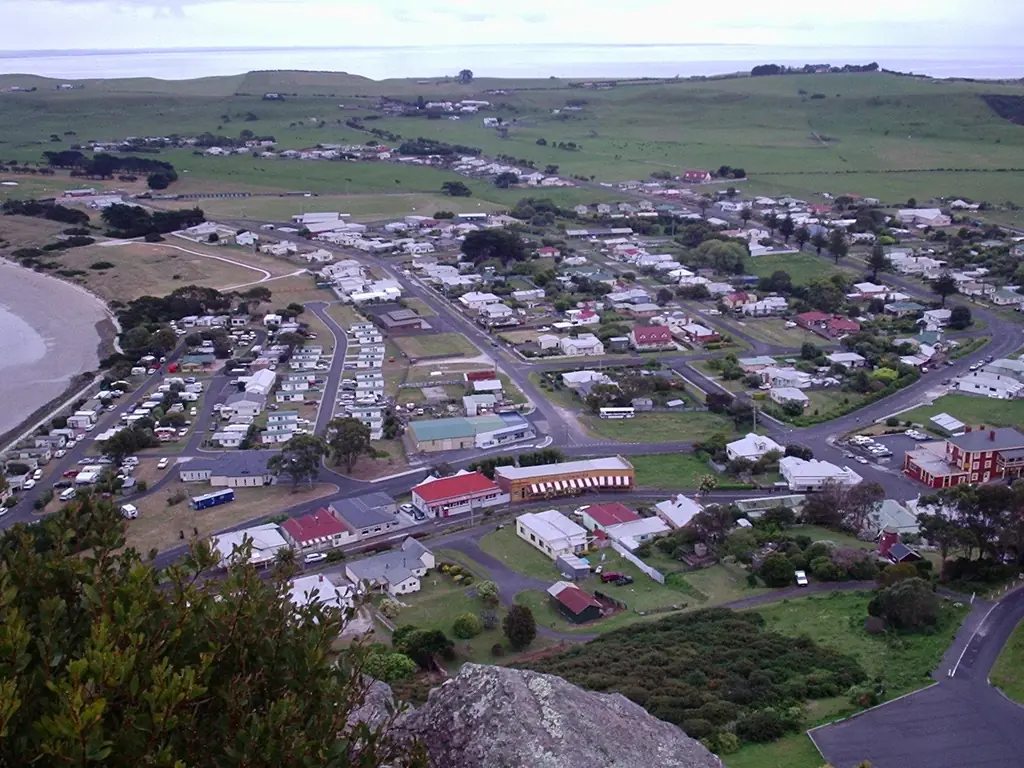
Stanley is known for crayfish and seafood. Devonport, Burnie and Ulverstone have cafes and restaurants using local produce. Cradle Mountain lodges serve Tasmanian food and wine.
Seasonal calendar
- Summer: berries, cherries, seafood.
- Autumn: apples, pears, mushrooms.
- Winter: hearty dishes, whisky.
Drinks
Distilleries in the region produce whisky and other spirits, and a handful of cellar doors pour cool-climate wines. Several craft breweries operate along the coast. Always nominate a driver on winding country roads.
Buying direct
Look for roadside stalls selling vegetables, berries and flowers in season. Many operate on an honesty-box system.
Frequently asked questions
What food is North West Tasmania known for?
Dairy and cheese, berries, crayfish and seafood, and leatherwood honey.
When is crayfish season?
Rock lobster availability varies seasonally; ask local restaurants.
Are there farmers’ markets?
Yes, in several towns; check local listings.
Where can I eat fresh seafood?
Stanley is the best-known spot, with crayfish, fish and chips and oysters.
Can I visit farm gates?
Yes, many operate seasonally along the Cradle Coast.
What is leatherwood honey?
A distinctive honey made from the flowers of the leatherwood tree, which grows in Tasmania’s western rainforests.