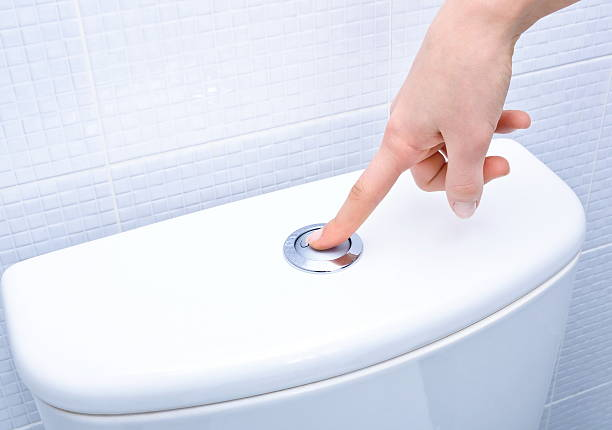
Fix your woes with our troubleshooting guide! Discover expert solutions for a toilet tank not filling up. Take control of your plumbing!
Issues of Toilet Tanks Not Filling Up
If toilet tanks aren’t filling properly, it may stem from issues like a faulty fill valve, blocked water supply line, or low water pressure. Homeowners facing the issue of a toilet tank not filling up should inspect these components to identify the specific problem, which can help restore normal function and ensure dependable toilet operation in any home.
Causes and Solutions
Recognising the underlying causes of issues is crucial for effective problem-solving. This comprehension allows individuals to implement targeted solutions, fostering long-term improvements. Sustainable change can prevent future challenges by addressing root problems rather than symptoms.
Problems with the Fill Valve
Issues with the fill valve can lead to water flow interruptions, causing toilets to continuously run or not refill properly. Such problems may arise from clogs, faulty components, or improper configurations that compromise effective flushing and overall toilet performance.
Issues with the Float
Problems related to the float often stem from improper positioning, wear, or damage. These issues can result in inaccurate water levels, leading to inefficient flushing or constant running. Addressing the float’s settings or replacing it ensures optimal tank functionality.
Obstruction in the Fill Tube
A blockage within the fill tube can hinder water flow, causing delays or malfunctions in the refilling process. Promptly identifying and clearing the obstruction is essential for maintaining a smooth operation.
Damaged Water Supply Line
A compromised water supply line can significantly disrupt access to clean water. Damage may result from natural wear, external pressure, or accidental impact. Prompt repair is essential to restore normal water service and prevent contamination.
Broken Flapper
A damaged flapper disrupts the toilet’s flushing mechanism, potentially leading to water leakage and inefficient performance. Regular maintenance or timely replacement is essential to ensure proper functionality, conserve water, and maintain optimal plumbing conditions.
Fill Valve Mechanism
The fill valve mechanism consists of components like the float, refill tube, and adjustment screw. Malfunctions can lead to improper refilling or overflowing, requiring timely repairs to maintain proper function.
The Role of the Float in a Toilet Tank Mechanism
The float in a toilet tank regulates water levels. It rises as the tank fills and activates the shut-off valve to stop the flow at a designated height, ensuring efficient flushing and preventing overflow.
How an Obstructed Fill Tube Affects Toilet Tank Filling
An obstructed fill tube prevents adequate water flow into the toilet tank, leading to slow or incomplete filling. This issue results in inefficient flushing and constant running as the tank struggles to reach the necessary water level.
The Impact of the Water Supply Line on Your Toilet
The water supply line ensures consistent flushing and tank refilling. A dependable line prevents leaks or clogs that could lead to inefficient performance, contributing to water conservation and reducing costly repairs.

Problems Caused by a Broken Flapper
A malfunctioning flapper can cause continuous toilet running, water wastage, and increased bills. Inefficient flushing may also lead to significant plumbing complications over time, making timely replacement essential.
Diagnose and Solve Problems with the Fill Valve
Inspect the fill valve for clogs or leaks. Ensure proper float height and check for water supply interruptions. Replace faulty components if necessary, ensuring secure connections to maintain optimal performance.
Fixing Issues with the Float
Address float problems by identifying malfunction causes, such as blockages or wear. Solutions include cleaning debris, replacing damaged parts, or recalibrating settings to ensure optimal performance.
Clearing an Obstructed Fill Tube
Identify the blockage’s location in the fill tube. Use a soft brush or compressed air to dislodge debris. Once the tube is cleared of obstructions, test for proper flow and securely seal it.
Dealing with a Damaged Water Supply Line
Identify the leak’s location and shut off the main valve to prevent further damage. Assess the extent of repairs and consider contacting a professional for efficient resolution.
Repairing or Replacing a Broken Flapper
Turn off the water supply and remove the flapper to inspect it. If it’s worn out, replace it with a new one to prevent leaks and maintain efficiency.
When to Call a Professional Plumber
Seek professional help for persistent leaks, clogged drains, low water pressure, or signs of significant damage or malfunctioning systems. Expert intervention ensures accurate diagnosis and effective repairs.
Conclusion
Troubleshooting a toilet tank that won’t fill up involves identifying common issues, such as problems with the fill valve, float, fill tube, or water supply line. By addressing these root causes with the right solutions—whether it’s unclogging tubes, replacing damaged parts, or adjusting the float—homeowners can restore their toilet’s functionality. If problems persist or seem complex, seeking professional plumbing help to ensure long-term efficiency and avoid costly repairs is always wise.