Maintaining feminine hygiene is vital to every woman’s overall health and well-being. Proper hygiene practices help prevent infections, discomfort, and unpleasant odours while fostering self-confidence and peace of mind. Awareness of menstrual hygiene, in particular, supports reproductive health and allows women to participate freely in social and professional environments without embarrassment. By adopting good hygiene habits and using appropriate products, women can safeguard their health and improve their quality of life.
The Evolution of the Feminine Hygiene Market
The development of a feminine hygiene product reflects both technological progress and changing social attitudes towards women’s health. In the past, women relied on natural or makeshift materials for menstrual care. Today, innovation has led to the creation of sanitary pads, tampons, panty liners, menstrual cups, and reusable period underwear designed to provide comfort, convenience, and confidence. Modern products focus not only on function but also on sustainability and skin-friendliness.
The current market offers a wide range of choices, allowing consumers to select products that align with their personal preferences, health needs, and lifestyles. This diversity promotes inclusivity and encourages informed decision-making. Businesses continue to innovate to meet the evolving expectations of consumers, ensuring that hygiene products remain accessible, comfortable, and environmentally responsible.
Defining Feminine Hygiene Products
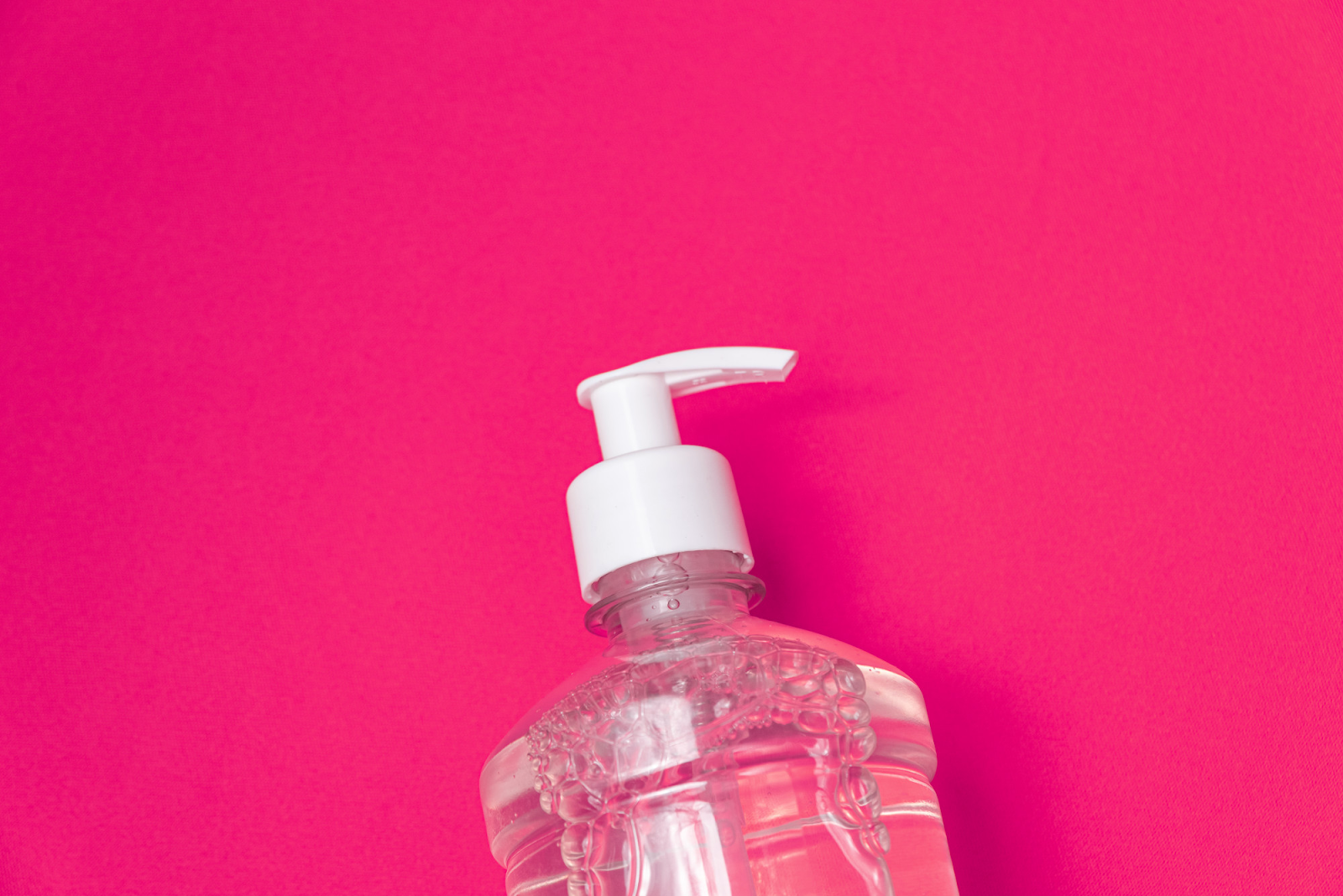
Feminine hygiene products encompass a range of items designed to maintain cleanliness, comfort, and health during menstruation and daily intimate care. These include sanitary napkins, tampons, panty liners, menstrual cups, intimate washes, and feminine wipes. Their primary function is to protect against leakage, maintain freshness, and prevent bacterial growth, contributing to overall vaginal and reproductive health.
However, feminine hygiene extends beyond menstrual management. Daily personal care routines such as regular bathing, proper handwashing, and good oral hygiene are equally important in maintaining physical health. Together, these practices help reduce the risk of infection, improve comfort, and promote overall well-being.
Factors to Consider When Choosing Feminine Hygiene Products
Selecting suitable feminine hygiene products requires consideration of several key factors, beginning with comfort and personal preference. Every woman’s body is different, and understanding what feels most comfortable is essential. Factors such as absorbency, fit, and texture all influence the experience, and the right choice can enhance both confidence and mobility.
It is equally important to pay attention to product ingredients. Natural and hypoallergenic materials, such as organic cotton or plant-based components, are generally gentler on the skin. In contrast, products containing synthetic chemicals, parabens, sulfates, or artificial fragrances may cause irritation or allergic reactions. Reading labels and understanding ingredients allows consumers to make safer and healthier decisions for their bodies.
Environmental impact is another significant consideration. Many disposable hygiene products contribute to pollution and landfill waste. Reusable alternatives, such as menstrual cups or washable cloth pads, provide eco-friendly options that help reduce waste and long-term costs. Choosing sustainable products supports environmental conservation and promotes responsible consumption.
Budget also plays a role in decision-making. While premium products may offer advanced comfort or eco-friendly benefits, affordability is important for consistent use. Evaluating one’s financial capacity helps ensure a balance between quality, effectiveness, and cost-efficiency, allowing women to maintain good hygiene without financial strain.

The Effects of Feminine Hygiene Products on Health
Understanding the potential health effects of feminine hygiene products is essential for informed use. Some products may cause skin irritation or allergic reactions, particularly those with synthetic materials or added fragrances. Overuse of certain products, such as scented washes or wipes, can disrupt the natural pH balance of the vagina, increasing the risk of infections.
To maintain good health, regular medical check-ups and consultations are recommended. These help detect early signs of irritation or infection and guide proper care. Open communication with healthcare professionals also ensures that any issues related to product use are addressed promptly, promoting long-term comfort and wellness.
Proper Use of Feminine Hygiene Products
Following usage instructions carefully is crucial for achieving both safety and effectiveness. Products such as tampons and menstrual cups must be changed or cleaned at regular intervals to prevent bacterial growth and infection. Similarly, sanitary pads should be replaced frequently to maintain cleanliness and comfort.
Hygiene practices play an equally vital role. Washing hands before and after changing products, using mild cleansers, and storing products in clean, dry conditions help prevent contamination. Proper disposal of used sanitary materials also ensures cleanliness and environmental safety. Ignoring these steps can lead to discomfort, infections, or reduced product performance, emphasising the importance of responsible use.
Conclusion
Selecting and using appropriate feminine hygiene products is an essential aspect of maintaining health, comfort, and confidence. The right choices help prevent infections, improve comfort during menstruation, and promote overall well-being. By understanding individual needs, examining product ingredients, and considering sustainability and budget, women can make informed decisions that support both personal health and the environment.
Empowering women with education and access to reliable information about hygiene encourages healthier lifestyles and better decision-making. When supported by proper knowledge and quality products, women can maintain confidence, hygiene, and comfort throughout every stage of life.