Superfoods are nutrient-dense foods regarded as highly beneficial to health and overall well-being. They are typically rich in vitamins, minerals, antioxidants, and other essential nutrients that support the body’s functions. Common examples include berries, leafy greens, nuts, seeds, and oily fish. Although there is no formal scientific definition of superfoods, they are often highlighted for their role in disease prevention and in promoting balanced nutrition when included regularly in the diet.
Among these, Manuka honey stands out for its unique antibacterial properties and high antioxidant content. Its effectiveness is largely attributed to MGO in Manuka honey, a compound responsible for its powerful antimicrobial activity. Known for supporting wound healing, immunity, and digestion, this natural product also offers anti-inflammatory effects. Its versatility makes it a valuable addition to holistic health practices, enhancing vitality and contributing to a balanced lifestyle.
Understanding Manuka Honey
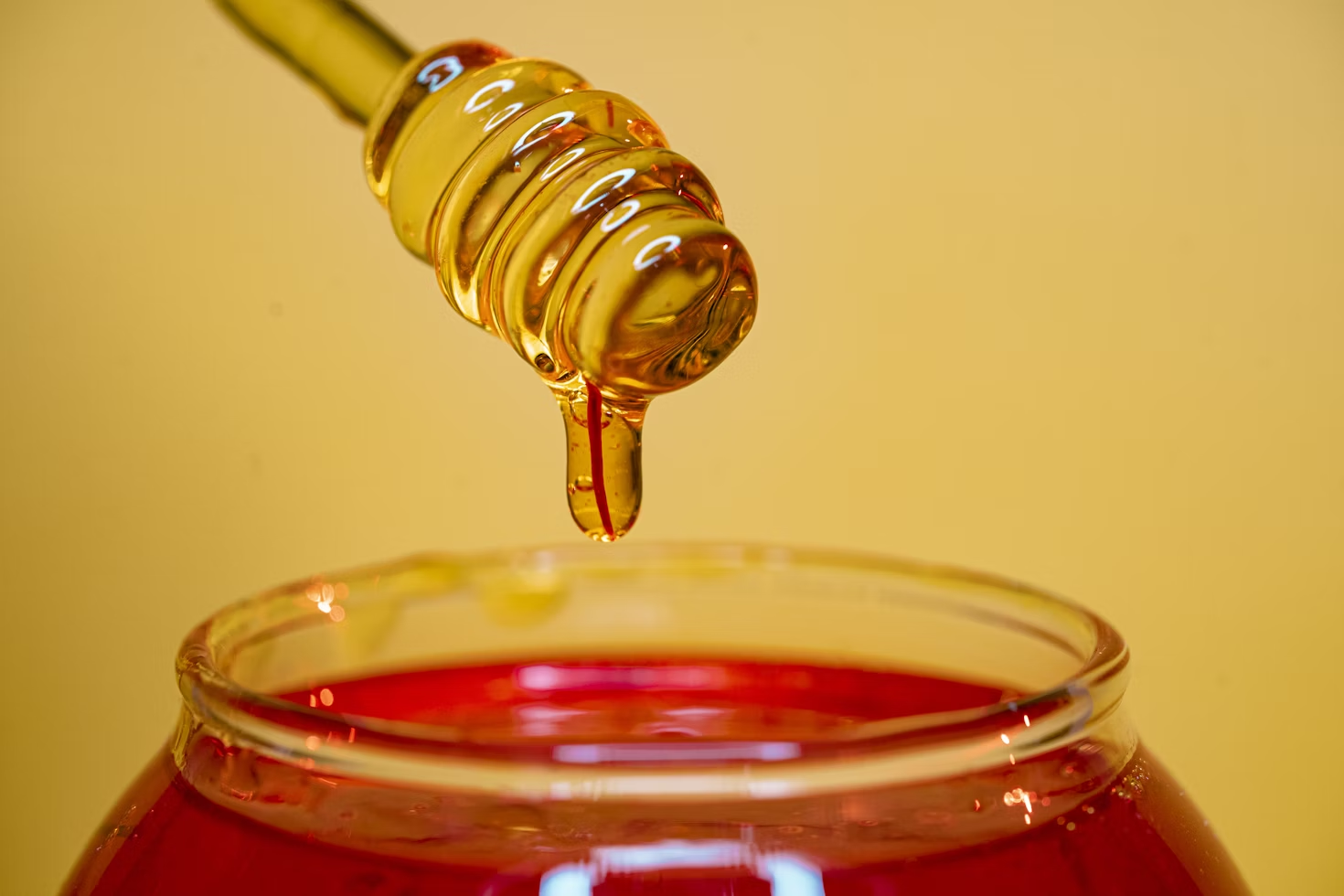
Manuka honey is distinct from regular honey in both composition and qualities. Its flavour, colour, and texture vary depending on the floral sources visited by bees, often resulting in a creamier consistency and richer taste. Unlike standard honey, it contains elevated levels of bioactive compounds that contribute to its antioxidant and antibacterial potential. These characteristics not only make it desirable as a food product but also as a natural remedy for various health concerns.
Superfood Benefits of Manuka Honey
Antibacterial and Antimicrobial Properties
One of the most remarkable features of Manuka honey is its ability to combat harmful microorganisms. Its antibacterial activity supports wound healing, prevents infection, and promotes better hygiene practices. These properties make it a valuable natural alternative in an era when resistance to conventional antibiotics is a growing concern.
Digestive Health
Regular consumption of Manuka honey can aid digestion by supporting a balanced gut microbiome. It may help alleviate common issues such as bloating or constipation while improving nutrient absorption. A healthy digestive system also strengthens immune function and contributes to overall energy and clarity of mind.
Skin Health
Applied topically, Manuka honey can hydrate the skin, soothe irritation, and protect against infection. Its natural humectant qualities help retain moisture, while its antibacterial compounds reduce the risk of breakouts and promote wound healing. These properties make it a beneficial ingredient in natural skincare routines.
Immune Support
A strong immune system is essential for maintaining good health, and Manuka honey provides natural reinforcement. Its antioxidants and bioactive compounds help the body defend against harmful pathogens. Combined with balanced nutrition, exercise, and adequate rest, it contributes to a resilient immune response.
Potential in Cancer Prevention
Research into natural compounds suggests that antioxidants and phytochemicals play a role in protecting against cancer. Manuka honey, with its rich antioxidant content, is being studied for potential tumour-inhibiting effects. Research is still preliminary, and findings are not conclusive, but it shows promise as part of a diet that supports long-term health.
A Healthier Sweetener
As a natural sweetener, Manuka honey offers an alternative to refined sugar. Its lower glycaemic impact and additional health benefits make it a smarter option for those seeking to reduce sugar intake without sacrificing flavour. This makes it a useful choice for supporting energy balance and weight management.

Incorporating Manuka Honey into Daily Life
Manuka honey can be introduced into daily routines in several ways:
- Direct consumption: Taken by the spoonful, it provides a simple way to enjoy its natural benefits.
- Dietary use: It can be drizzled over fruit, stirred into porridge, blended in smoothies, or used as a natural sweetener in baking.
- Topical application: Applied to the skin, it can assist with hydration, wound healing, and soothing irritation.
Moderation is important, as honey remains a source of natural sugars. Daily intake should be balanced with other nutrient-rich foods as part of a varied diet.
Precautions and Considerations
While Manuka honey is widely beneficial, certain precautions should be noted:
- Allergies: Individuals with honey or bee product allergies should exercise caution.
- Infants: Honey should never be given to babies under one year due to the risk of botulism.
- Authenticity: Not all Manuka honey on the market is genuine. Checking for quality markers, such as the Unique Manuka Factor (UMF) rating, helps ensure its authenticity and potency.
The Future of Manuka Honey in Health and Wellness
Research continues to explore the therapeutic potential of Manuka honey. Its antibacterial and anti-inflammatory properties are being examined in the treatment of wounds, skin conditions, and digestive issues. Studies also highlight its promise in supporting immune health and in combating antibiotic-resistant bacteria. With ongoing scientific interest, Manuka honey may play an increasingly important role as a natural adjunct to conventional medicine.
Conclusion
Manuka honey’s unique qualities distinguish it as more than just a sweetener. Its antibacterial, digestive, immune-boosting, and skin-enhancing benefits highlight its value as a natural superfood. While further research is required to fully unlock its therapeutic potential, it already offers meaningful contributions to health and wellness. By incorporating it responsibly into a balanced lifestyle, individuals can enjoy both its nutritional advantages and its natural, distinctive flavour.
Leave a Reply