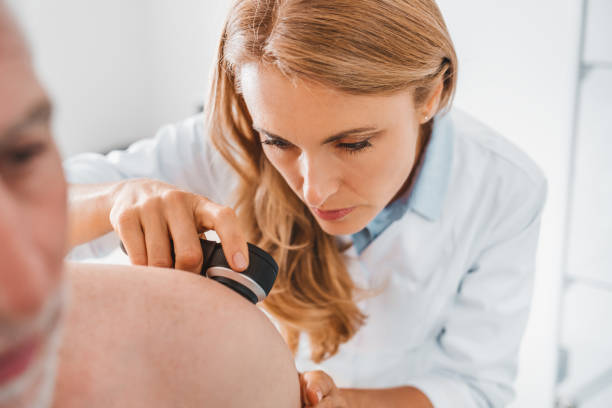
Get the most accurate & reliable skin tests in Melbourne. Quick results from our comprehensive services. Your skin’s health is our priority!
Skin testing is a safe and effective method of diagnosing allergies, infections, and other skin conditions. The process involves applying specific substances to the skin to assess the body’s immune response. Many individuals opt for a skin test Melbourne to receive accurate diagnoses in professional medical facilities such as allergist clinics, dermatology practices, and hospitals. These tests are widely recognized for their accuracy in diagnosing a variety of conditions, making them a valuable resource for healthcare providers and patients alike.
There are several types of skin tests, each tailored to diagnose a specific set of concerns, such as allergies, dermatitis, or fungal infections. The most common tests include skin prick tests, intradermal tests, patch tests, and skin biopsies. Each test has its own distinct procedure, interpretation, and purpose.
Types of Skin Tests
Skin Prick Test
The skin prick test is one of the most commonly used methods for diagnosing allergies in Melbourne. This test involves placing a small amount of allergens (such as pollen, dust mites, pet dander, or certain foods) onto the surface of the skin, usually on the forearm or back. A small needle or lancet is then used to lightly prick the skin, allowing the allergens to enter the outermost layer.
If the person is allergic to any of the substances tested, the skin will show a localized reaction, such as redness, swelling, or a raised bump. The test results are typically available within 15 to 20 minutes. Skin prick tests are particularly effective for detecting inhalants and food allergies, though they may not be suitable for people with severe eczema or certain other skin conditions.
Intradermal Test
An intradermal test is more sensitive than the skin prick test and is typically used when a skin prick test yields inconclusive results. In this test, a small amount of the allergen is injected just under the surface of the skin. This allows for a more profound and noticeable reaction, which can help in diagnosing allergies that may not be detected through the surface method of skin pricking.
Intradermal tests are often used for assessing reactions to medications, insect venoms, and environmental allergens. However, this test carries a slightly higher risk of an allergic reaction, so it is performed under the supervision of medical professionals, often in a controlled clinical environment.
Patch Test
The patch test is particularly useful for diagnosing contact dermatitis, a skin condition caused by an allergic reaction to substances that come into contact with the skin. During this test, patches containing small amounts of various allergens are applied to the skin, usually on the back. The patches are left in place for 48 hours to allow the skin to react to the allergens.
The patient is then monitored for any signs of irritation or allergic response, such as redness, itching, or blistering. The patch test can help identify substances like certain metals, fragrances, or preservatives that may trigger dermatitis. This test is essential for individuals who experience rashes or itching due to unknown irritants, particularly those working in environments with exposure to chemicals.
Skin Biopsy
A skin biopsy is a more invasive test used to diagnose various skin diseases, including melanoma, infections, and autoimmune conditions. During the procedure, a small sample of skin is removed from the body using a punch or excisional technique. The sample is then sent to a laboratory, where it is examined under a microscope to check for abnormalities.
While skin biopsies are not used for diagnosing allergies, they are critical for diagnosing chronic skin conditions, skin cancer, and other dermatological concerns. If a physician suspects a deeper, underlying issue, such as an autoimmune disorder or infection, a skin biopsy is the gold standard for providing a definitive diagnosis.

Why Skin Tests Are Important in Melbourne
Melbourne’s diverse climate, with its fluctuating temperatures and high pollen levels, makes it an ideal setting for skin allergies to manifest. People with environmental allergies, such as hay fever, may experience seasonal flare-ups, which can make it difficult to determine the exact cause of their symptoms. Skin tests provide a fast and reliable way to pinpoint the specific allergens responsible for these reactions.
Moreover, with a growing focus on healthy living and wellness, more Melbourne residents are seeking out skin testing as a means of diagnosing food allergies or intolerances. By identifying trigger foods, individuals can take proactive steps to avoid certain ingredients and manage their health better.
In addition, skin tests help dermatologists and allergists detect and monitor skin conditions such as eczema, psoriasis, and fungal infections. Early detection through skin testing can lead to quicker interventions and better management of these conditions.
The Skin Testing Process in Melbourne
The process of skin testing in Melbourne typically begins with a consultation with a doctor, allergist, or dermatologist. During the consultation, the healthcare provider will evaluate your medical history, current symptoms, and any known allergies. This step helps determine which type of skin test is best suited to your needs.
Once the appropriate test is selected, it is performed either in an outpatient setting or as part of a visit to a specialized clinic. The results are usually provided within a short timeframe, allowing you to make informed decisions about your treatment options.
Conclusion
Skin testing in Melbourne is a vital tool for diagnosing a wide range of skin conditions and allergies. Whether you’re dealing with environmental sensitivities, food allergies, or chronic skin diseases, these tests provide healthcare professionals with valuable information to guide treatment. With Melbourne’s changing climate and diverse population, skin tests are becoming increasingly important for both diagnosis and prevention. By understanding the various types of skin tests available and their relevance, individuals can make better-informed decisions about their health and take proactive steps toward living a more comfortable and allergy-free life.
Leave a Reply